

A little chest discomfort while walking, a racing heartbeat or breathlessness while climbing stairs may seem like ordinary tiredness. Many people ignore these changes, expecting them to settle on their own.
Some symptoms are harmless, but others can indicate heart problems. Knowing when to consult a cardiologist in Coimbatore can help you get the right medical attention without unnecessary delay.
10 Heart Symptoms You Should Not Ignore
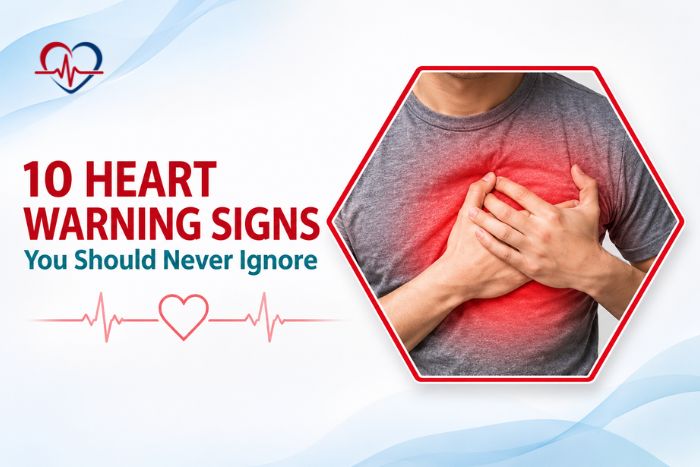
1. Chest Pain or Tightness
Chest pain may feel like pressure, squeezing, burning or heaviness. It can occur when the heart muscle receives insufficient blood.
Not all chest pain comes from the heart. However, new or unexplained discomfort needs medical assessment. Sudden or persistent chest pressure may indicate a heart attack and requires emergency care.
2. Shortness of Breath
Feeling unusually breathless during walking or routine activities can sometimes indicate heart disease.
Possible causes include heart failure, valve disease and coronary artery problems. Lung conditions and anaemia may also produce similar symptoms.
Sudden, severe breathlessness requires emergency medical attention.
3. Frequent Heart Palpitations
Palpitations feel like the heart is racing, fluttering or skipping beats.
Stress, caffeine and poor sleep can trigger them, but recurring episodes may indicate a heart rhythm disorder.
A cardiologist may recommend ECG or longer heart rhythm monitoring.
4. Dizziness or Fainting
Occasional dizziness may result from dehydration or low blood pressure. However, unexplained fainting can sometimes indicate an abnormal heart rhythm or structural heart problem.
Fainting during exercise is particularly concerning and requires prompt medical assessment.
5. Swelling in the Feet and Ankles
Persistent swelling in both legs may occur when the heart is unable to pump blood effectively.
Kidney problems, certain medicines and vein conditions can also cause swelling.
If swelling develops alongside breathlessness or unusual tiredness, arrange a medical evaluation.
6. Unusual Tiredness
Feeling tired after a busy day is normal. But persistent fatigue that affects everyday activities deserves attention.
Heart failure, anaemia and other medical conditions may contribute to unexplained weakness.
7. Pain Spreading to the Arm, Jaw or Back
Heart-related discomfort may spread beyond the chest.
Pain involving the left or right arm, jaw, neck or back, particularly with sweating, nausea or chest pressure, may indicate a heart attack.
Seek emergency care immediately if a heart attack is suspected.
American Heart Association+1
8. Sudden Cold Sweating or Nausea
Unexplained cold sweating, nausea or light-headedness may accompany a heart attack.
These symptoms are especially concerning when they occur with chest discomfort or breathlessness.
Do not assume they are caused by acidity without medical assessment.
9. Reduced Ability to Exercise
If you previously walked comfortably but now struggle with the same distance, pay attention.
Reduced exercise tolerance may develop due to coronary artery disease, heart failure or valve problems.
A noticeable change in stamina should be discussed with a doctor.
10. Difficulty Breathing While Lying Down
Needing extra pillows to breathe comfortably or waking suddenly feeling breathless can sometimes indicate heart failure.
These symptoms may occur when fluid builds up in the lungs.
They require timely medical evaluation, particularly when accompanied by leg swelling.
NHS+1
How Does a Cardiologist Diagnose Heart Problems?
A cardiologist reviews your symptoms, medical history and existing conditions before recommending investigations.
Depending on the findings, tests may include:
- ECG: Checks heart rhythm and electrical activity.
- Echocardiogram: Examines heart structure, valves and pumping function.
- Holter Monitoring: Records intermittent heartbeat abnormalities.
- Blood Tests: Assess cholesterol, diabetes and other relevant conditions.
- Stress Testing or Coronary Imaging: May be considered for selected patients.
Suspected heart attacks require emergency assessment, including ECG and cardiac troponin testing.
What Treatment Options Are Available?
Heart treatment depends on the underlying diagnosis.
High blood pressure and cholesterol may require medicines alongside lifestyle changes. Certain rhythm problems may need medication or catheter ablation.
Patients with significant coronary artery disease may require angioplasty or bypass surgery when clinically appropriate.
Not every symptom requires a procedure. Treatment benefits, possible risks and limitations should be discussed with the cardiologist.
What Should You Know Before a Cardiology Consultation?
Bring previous medical reports, current medicine details and recent blood pressure readings.
Explain when symptoms started, how frequently they occur and whether physical activity makes them worse.
Do not stop prescribed medicines before investigations unless instructed by your treating doctor.
How Can You Protect Your Heart?
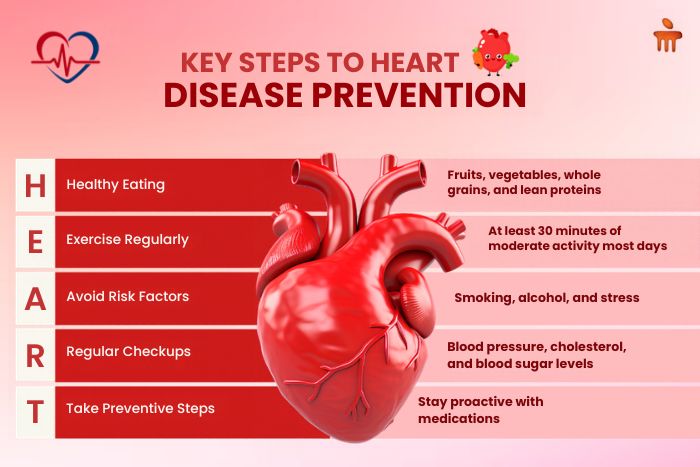
Regular walking, balanced meals, sufficient sleep and avoiding tobacco support cardiovascular health.
Keep blood pressure, diabetes and cholesterol under control. People with existing heart disease should follow their prescribed treatment and attend review appointments.
After cardiac treatment, recovery may involve medicines, gradual activity and rehabilitation. Report returning or worsening symptoms instead of waiting for the next scheduled review.
When Is Emergency Heart Care Necessary?
A routine cardiology appointment is not suitable for suspected heart attack symptoms.
Call 112 or 108 for emergency assistance in Coimbatore if you experience severe or persistent chest discomfort, serious breathing difficulty, fainting with concerning symptoms or sudden collapse.
Do not drive yourself to the hospital.
Heart Rhythm Cardiology Care in Coimbatore
If you have recurring heart-related symptoms or concerns about cardiovascular health, you can consult Dr. Ranjith R at Heart Rhythm.
Located in Ramanathapuram, near Sowripalayam Pirivu, Trichy Road, Coimbatore, Heart Rhythm is a local option for cardiology consultation and advice on appropriate heart evaluation.
Website: https://rhythmheartcare.in/
Frequently Asked Questions
1. When should I visit a cardiologist?
Consult a doctor for recurring chest discomfort, palpitations, unexplained breathlessness or other persistent heart-related symptoms.
2. Can heart disease develop without symptoms?
Yes. Some cardiovascular conditions, including hypertension and coronary artery disease, may develop without noticeable symptoms.
3. Is chest pain always related to the heart?
No. Digestive, muscular and lung conditions can also cause chest pain. Medical assessment helps identify the cause.
4. Can young adults experience heart problems?
Yes. Heart rhythm disorders, congenital conditions and coronary disease can affect younger adults.
5. Does everyone need an annual ECG?
No. Routine ECG screening is not necessary for every healthy adult. Testing should depend on symptoms and individual risk.
Conclusion
Heart-related symptoms should not be ignored simply because they seem mild. Recognising changes in breathing, heartbeat, stamina or chest comfort can help identify problems earlier.
For ongoing heart health concerns, consult Dr. Ranjith R at Heart Rhythm, Ramanathapuram, Coimbatore. If symptoms suggest a medical emergency, seek immediate hospital care.